
Browning Becherer | 29.JAN.2026
We should all be cynics.
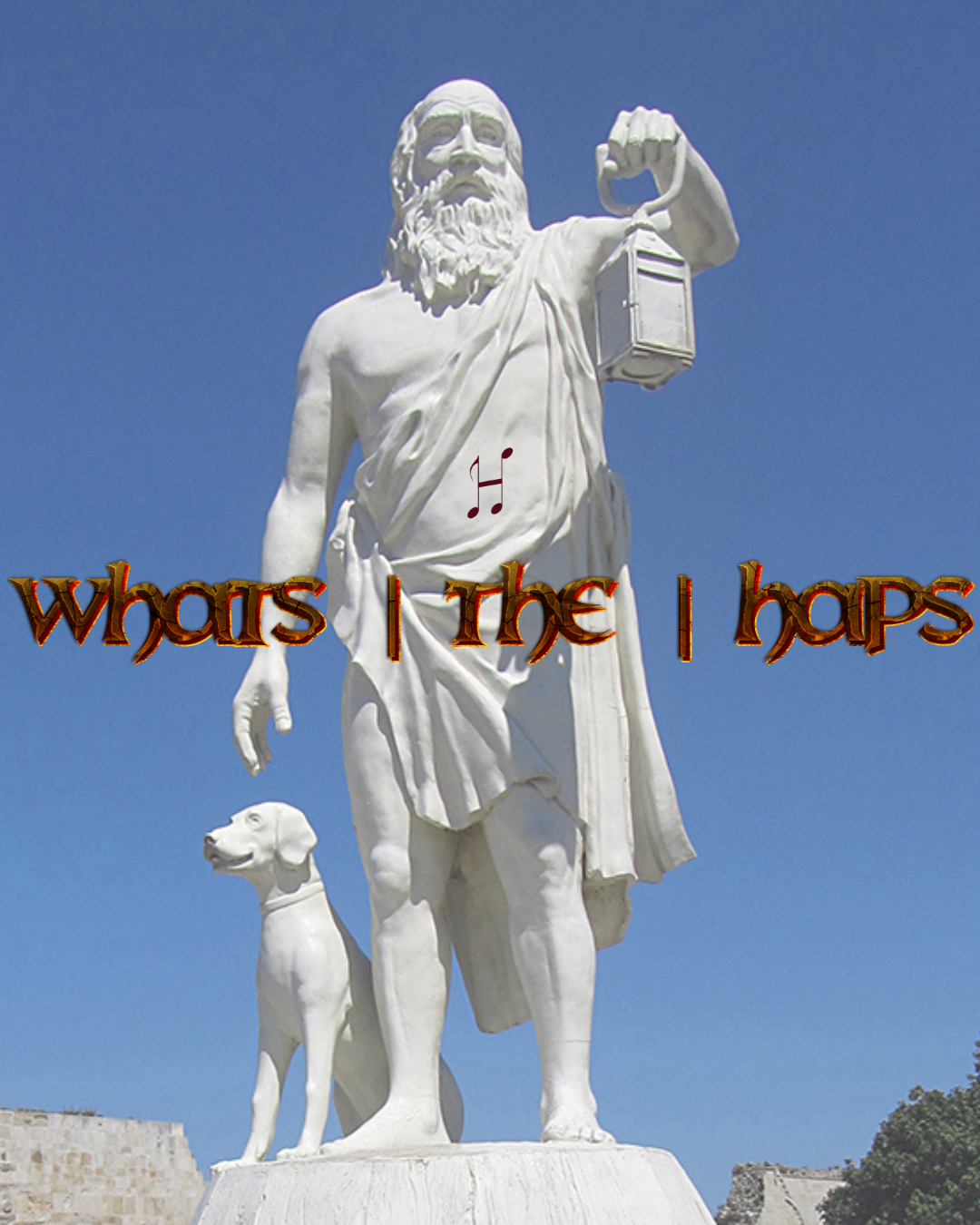
Dogs with their buoyant spirits (in the company of their masters, taking part in the hunt, subsisting on only one meal a day with water to wash it down) were evidently happy creatures. Why are humans, with our far greater resources, so often not? The solution, in part, was obvious – take a lesson from dogs and other beasts and the simplicity of their existence, and rely on nature to provide a sufficiency of life’s essentials. Not that this could be accomplished overnight; through training (askêsis) we first have to cure ourselves of our greedy, pampered habits. – Robert Dobbin, pg. xii of the introduction to the book mentioned below.
During recent reorganizing, The Cynic Philosophers from Diogenes to Julian translated by Robert Dobbin (Penguin Classics, 2012) reappeared. Dobbin lays out his key themes of cynicism:
- Freedom of speech (parrhêsia)
- Self-sufficiency (autarkeia)
- Training (askêsis)
- Endurance / self-control (karteria)
- Tuphos [pgs. xvi-xxi]
Freedom of Speech (parrhêsia)
Self-sufficiency (autarkeia)
Training (askêsis)
Endurance / self-control (karteria)
Tuphos
Outro
This is just the first entry in my series on cynicism. Words have power, in the thousands of years since the original cynics the opps have made us think cynical thinking is inherently negative. This introduction shows why that isn’t the case and as we continue down this journey the liberation inherent in properly directed and managed cynicism helps one self actualize. We will reclaim cynicism on our long march towards reclaiming this beautiful world for us.

Leave a comment